What Month Do Bees Die Off? The Autumn Decline Explained
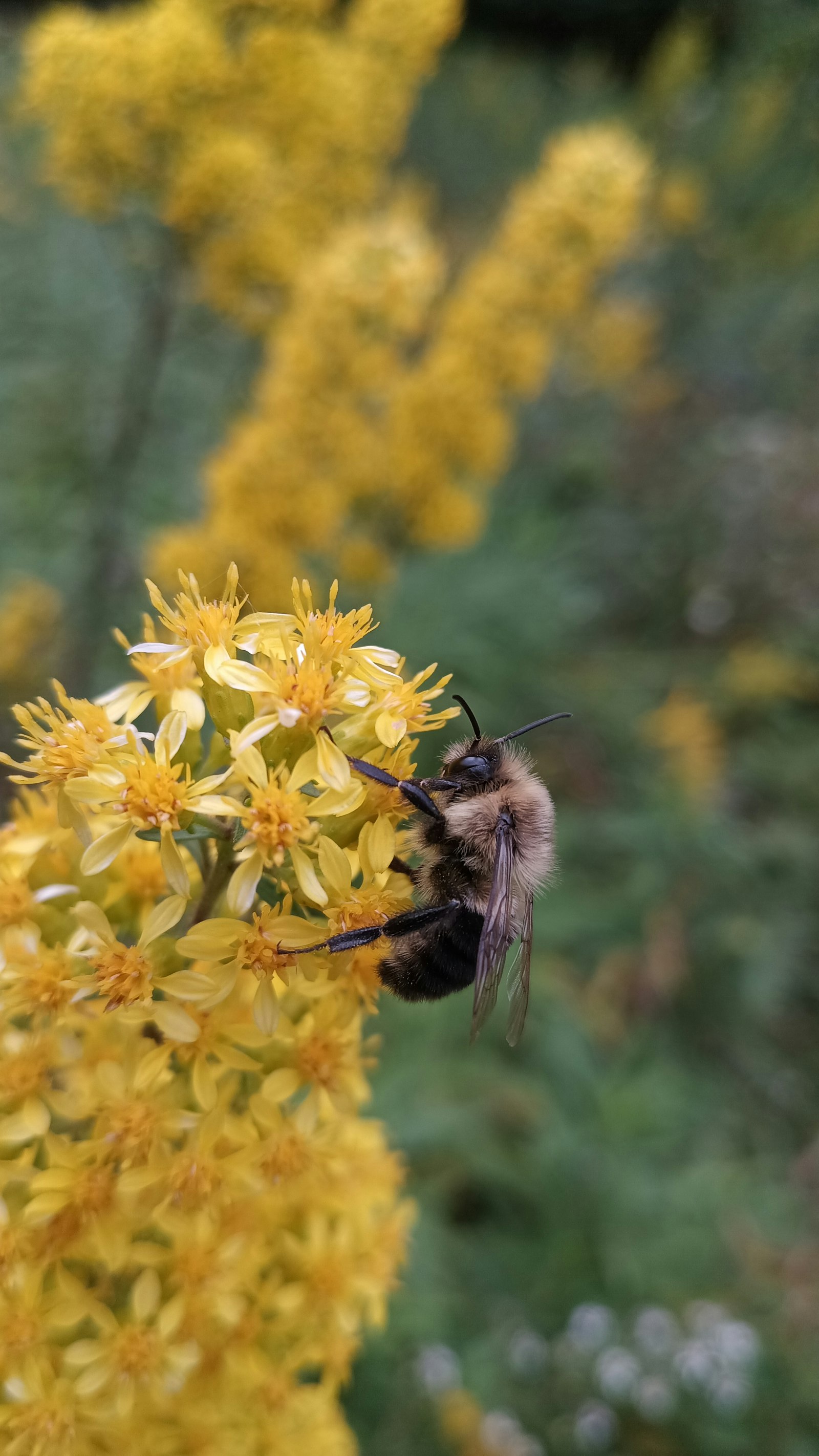
Every October, if you watch a beehive entrance long enough, you'll see something that looks like a murder but is actually a budget meeting.
The workers drag the drones out. Not metaphorically - physically. Worker bees grip their larger brothers by the legs and wings and haul them toward the entrance, dumping them onto the landing board. The drones, who lack stingers and haven't done anything useful since summer, stumble around for a few days and die. The colony doesn't grieve them. The colony was the one who killed them.
This is what dying off looks like for honey bees: organized, timed, and nothing like what the question implies.
The Short Answer Is September Through November
The population collapse that most people associate with "bees dying off" happens across a roughly 8-week window from late summer through autumn. The exact timing depends on latitude and local climate, but the sequence is consistent.
Peak summer population for a healthy colony runs somewhere between 40,000 and 80,000 bees. By December, the same colony might have 10,000 to 20,000 individuals clustered in a tight ball in the center of the hive. That's not decline. That's the plan.
The workers who die off during this transition aren't being replaced. Through spring and summer, the queen lays up to 1,500 eggs per day, and new workers emerge on a rolling 21-day cycle. In late summer, she gradually reduces her laying rate. By October in most temperate climates, the brood nest has shrunk dramatically. The last summer workers live their normal 6-week lifespan and aren't replaced. Population drops accordingly.
The Apiary Project tracks honey bee health data so you don't have to.
Explore the Data Hub →The Drone Eviction: September to October
The drone eviction - that landing-board scene described above - is the most visible signal that the colony has entered autumn mode. It happens in September in northern states, October further south, and the timing correlates with declining nectar availability more than temperature alone.
Drones exist for one purpose: mating with virgin queens from other colonies. They spend summer afternoons in congregation areas, flying circuits and waiting. By autumn, virgin queens are no longer emerging. The mating season is over. Drones are now simply mouths consuming winter stores.
Workers cut off feeding them first. Without the protein-rich brood food they've been receiving since emergence, drones weaken quickly. The physical eviction follows within days. A colony that still has drones by November is a flag - it may indicate a failing or absent queen, since a queenless colony has no reason to enforce the seasonal eviction timetable.
The Worker Lifespan Shift: August to December
Summer workers burn through their lifespan in about 6 weeks. Foraging destroys them - wings wear out, flight muscles fatigue, and the physical demands of collecting 50mg of nectar per day (roughly their own body weight) accelerates cellular aging. They die in the field, which is why you rarely find dead summer bees at the hive entrance.
The workers raised in late summer and autumn are physiologically different animals. They're called winter bees, and they're built to last 4 to 6 months rather than 6 weeks. They have larger fat bodies - the bee equivalent of a liver - that store protein and energy reserves. Their vitellogenin levels (a yolk protein that functions as an anti-aging molecule in bees) are significantly higher than summer workers.
The trigger for producing winter bees is a combination of shortening days and reduced brood to nurse. As the brood nest contracts, nurse bees that would normally be feeding larvae redirect that energy to building up their own fat bodies instead. The result is a different bee from the same genetic program - one tuned for stillness and endurance rather than output and speed.
What "Dying Off" Looks Like at the Entrance
If you stand at a hive entrance in October, you'll notice fewer bees coming and going. Foraging activity drops sharply as nectar sources dry up. On warm autumn days above roughly 50°F (10°C), bees still exit for cleansing flights and occasional late foraging on goldenrod or ivy, but the frantic high-summer traffic is gone.
What you won't see is mass death at the entrance - that's more associated with pesticide events or disease. A normal autumn transition produces very few visible corpses, because the population reduction happens gradually through natural lifespan expiration, not sudden die-off.
The exception is the drone eviction. During active eviction periods, you may find clusters of living or dying drones near the hive entrance - larger, rounder bees that seem slow and confused. This is normal and typically lasts a week or two until the eviction is complete.
How Small Does the Colony Get?
By December, a healthy colony in the northeastern US typically has somewhere between 10,000 and 20,000 bees. In warmer southern climates where some winter foraging continues, the drop is less dramatic. In colder northern climates, colonies may contract to as few as 8,000 bees at the lowest point.
This contraction is the whole point. A large population requires more food to maintain. A colony entering winter with 60,000 bees would need to consume far more stored honey to keep that mass warm than one that has deliberately reduced to 15,000. The winter cluster generates heat by vibrating flight muscles - the metabolic cost of running that engine scales with the number of bees involved.
The colony is, in a very literal sense, downsizing to meet its winter budget.
When Do Bees Come Back?
The queen typically resumes laying in late December or January, responding to the lengthening days after the winter solstice rather than temperature. First eggs of the new year often appear when there's still snow on the ground.
New workers begin emerging in late January or February. For a period of several weeks, the colony actually continues shrinking even as new bees emerge, because the winter bees that have held on through the coldest months begin dying off just as the new cohort arrives. Beekeepers call this spring dwindle - the colony looks worse in February than it did in December, which alarms first-year beekeepers who don't realize they're watching a healthy transition.
The inflection point comes when new workers are emerging faster than winter bees are dying. From that moment, the colony expands rapidly. By April or May, population is climbing back toward summer peak. The 10,000 bees of February become 50,000 bees by July.
So: September through November for the main population collapse, driven by drone eviction, cessation of laying, and the natural expiration of summer workers. Not a die-off in the sense of something going wrong - more like a controlled demolition that leaves the load-bearing walls intact. The colony that seems to disappear in October is the same colony that will be 60,000 strong again the following summer.
The drones don't get the same story. They're just gone.