Does Honey Expire? What Archaeology and Chemistry Say About Its Shelf Life
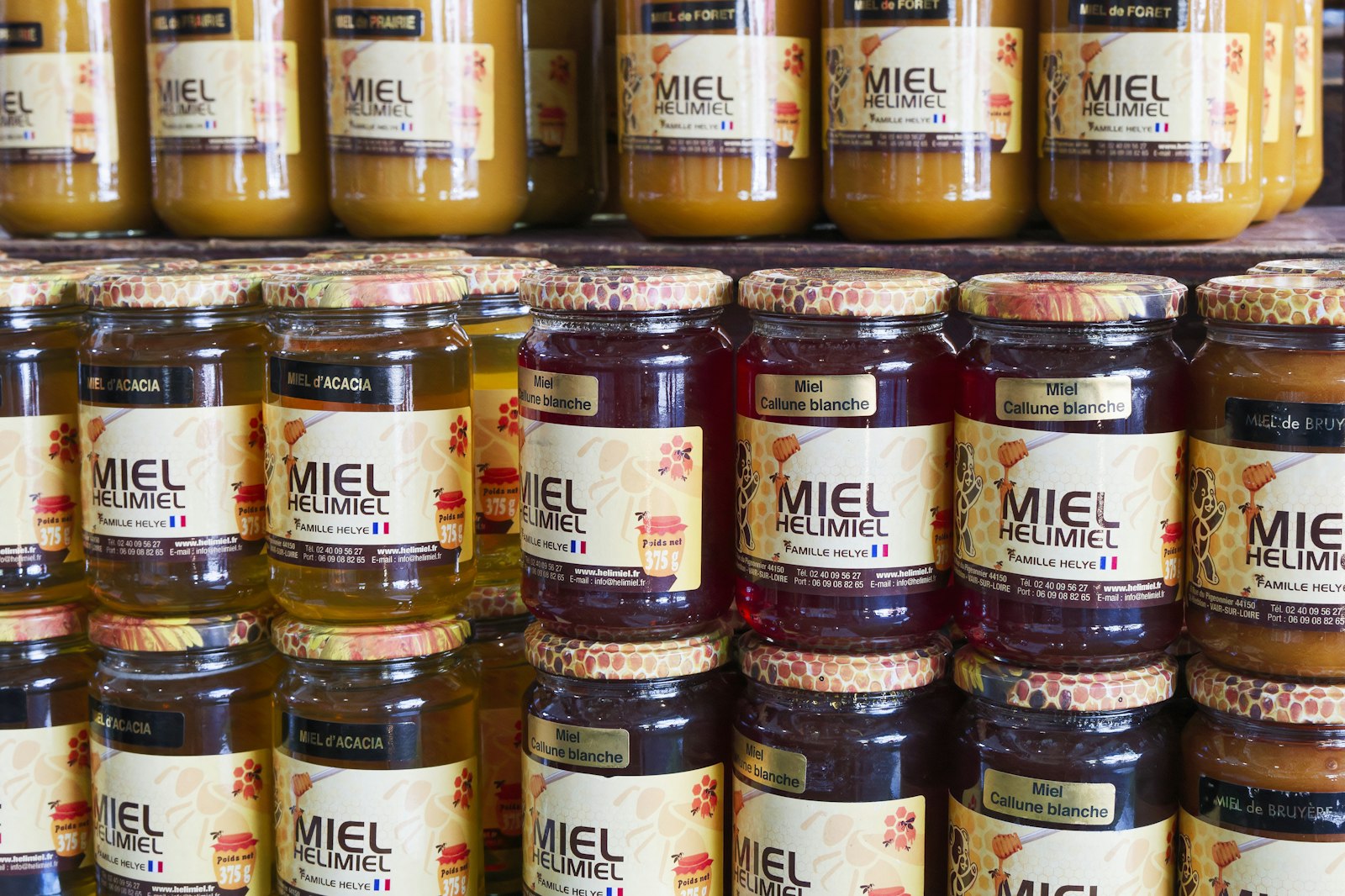
In 2026, archaeologists working in Tutankhamun's tomb found sealed honey jars. The honey was 3,300 years old. By accounts from people present at the discovery, it was still edible.
This is the most frequently cited data point in the "does honey expire" conversation, and it has the advantage of being essentially true. Honey found in ancient Egyptian tombs has been dated to thousands of years ago and found in a preserved state. It's the most dramatic natural food preservation story in the archaeological record.
But "it won't kill you after 3,000 years" and "the expiration date on the jar is fiction" are different claims. The reality sits somewhere between them, and it depends almost entirely on one thing: water content.
Why Honey Doesn't Spoil
Honey is an extremely hostile environment for microbial growth. The reasons stack on each other.
The water activity is very low. Water activity - the measure of how much free water is available in a food for microbial use - is expressed on a scale of 0 to 1. Properly processed honey has a water activity around 0.60. Most bacteria need above 0.91 to grow. Most molds need above 0.70. Honey sits comfortably below both thresholds. Microorganisms that land in honey simply can't access the water they need.
The osmotic pressure is extreme. Honey's high sugar concentration draws water out of microbial cells through osmosis, desiccating them on contact. The same chemistry that causes honey to absorb moisture from the air will dehydrate any bacteria that makes contact with it.
The acidity is significant. Honey has a pH between 3.2 and 4.5, depending on variety. Most foodborne pathogens prefer neutral to mildly acidic conditions. The acidity alone isn't lethal, but it's another barrier stacked on top of everything else.
The hydrogen peroxide is real. Glucose oxidase, an enzyme added to nectar by bees during honey production, reacts with glucose and water to produce gluconic acid and hydrogen peroxide. This is a genuine antimicrobial compound, present in honey in small but meaningful concentrations. It's less stable than the sugar chemistry - it degrades with heat and light exposure - but in raw, properly stored honey it's active.
Manuka honey has an additional mechanism: methylglyoxal (MGO), a compound that persists independently of the hydrogen peroxide system and provides antimicrobial activity even after heat treatment. This is what makes manuka the focus of the most clinical research on honey's distinct characteristics.
The combination of all these factors is why honey essentially doesn't ferment or rot under normal conditions. Each barrier is significant individually. Together, they make honey about as inhospitable to microbial life as any natural food can be.
The Apiary Project tracks honey bee health data so you don't have to.
Explore the Data Hub →The Exception: Water
There is exactly one condition under which honey spoils: too much water.
Properly produced honey has a water content below 18 percent - ideally below 17 percent. At this water content, the combination of low water activity and high osmotic pressure prevents fermentation. Wild yeasts that naturally occur in honey (primarily Saccharomyces and Zygosaccharomyces species) can't grow at these concentrations.
Above 18 percent water content, the situation changes. At 20 percent, fermentation becomes increasingly likely. Above 25 percent, fermentation is almost inevitable if wild yeasts are present. The honey starts producing alcohol and carbon dioxide, the flavor changes, and eventually you have something closer to a very sweet alcoholic beverage than honey. This is, incidentally, how mead has been made for thousands of years - but it's not what most people want from their kitchen pantry.
This is why hive management matters to honey quality. Bees deposit nectar at a high water content - sometimes 60 to 80 percent water - and then fan it down to below 18 percent before capping the comb with wax. The wax capping is the signal that the water content is correct and the honey is shelf-stable. Beekeepers who extract honey from uncapped or partially capped frames risk harvesting honey with too high a water content.
It's also why storage conditions matter. If you store honey in a container that isn't fully sealed in a humid environment, honey will absorb water from the air over time. A jar of honey stored poorly can eventually ferment even if it was perfect when purchased.
What Actually Changes Over Time
Honey doesn't expire in the sense of becoming unsafe. It changes.
The primary changes are color darkening and flavor development. Fresh light amber clover honey darkens over time as amino acids and sugars undergo Maillard reactions - the same chemistry that browns bread. The flavor becomes more complex, sometimes described as caramel-like. This isn't spoilage. It's chemistry. But it's a meaningful change in the product.
Crystallization happens. This is normal, it doesn't indicate age or spoilage, and it's reversible by gentle warming. Crystallized honey is chemically identical to liquid honey from the same source - it's a supersaturation effect driven by glucose-to-fructose ratios, not age. The industrial filtration and heating processes used to keep commercial honey liquid for extended periods exist to satisfy consumer preference, not to prevent spoilage.
The hydrogen peroxide-based antimicrobial activity degrades with heat and age. Raw honey stored at room temperature loses a portion of its active enzymes over months to years. This doesn't make the honey unsafe - the water activity and osmotic barriers remain fully intact - but it does reduce the bioactive properties that raw honey advocates are concerned with. If someone is using raw honey specifically for its enzyme content, age matters in a way it doesn't for culinary applications.
The Expiration Date Problem
Honey sold in the United States carries a "best by" date set by manufacturers, not regulators. These dates typically reflect expected quality rather than safety - the manufacturer's estimate of when the honey will still be within the expected color range, crystallization state, and enzyme activity they've promised. "Best by" doesn't mean "unsafe after."
The typical "best by" date on commercial honey is two years. Honey stored in a sealed container in a cool, dark environment will be safe to eat well past any printed date. The notable exception remains water content - if the container has been opened repeatedly in humid conditions or stored poorly, there's a real chance the water activity has risen enough to permit fermentation.
Fermented honey isn't dangerous, incidentally. It's just no longer honey in the conventional sense. It smells noticeably alcoholic or yeasty, which makes the problem self-announcing.
The Archaeological Honey
Back to the tomb. The honey found in Egyptian tombs was archaeologically notable and genuinely old, but the conditions were quite specific: sealed containers in a climate-controlled environment (the constant temperature and humidity of a sealed tomb is actually quite good for food preservation) with no exposure to light, humidity fluctuations, or air. The honey hadn't been opened. The water content presumably stayed within the stable range throughout.
The same honey left on a kitchen counter in a loosely sealed jar in a humid climate for 3,300 years would not have the same outcome. The chemistry isn't magic - it's physics, and the physics requires maintaining the conditions that make the chemistry work.
Honey lasts because water activity is unfavorable for microbial life, not because honey is categorically different from every other food. Maintain the water content, keep the container sealed, store it properly, and the shelf life is measured in decades rather than years. Let it absorb moisture, and you're making something else entirely.
The Egyptians, it turns out, were excellent at sealed containers. That's most of the story.