How Long Do Bees Live? Worker, Queen, and Drone
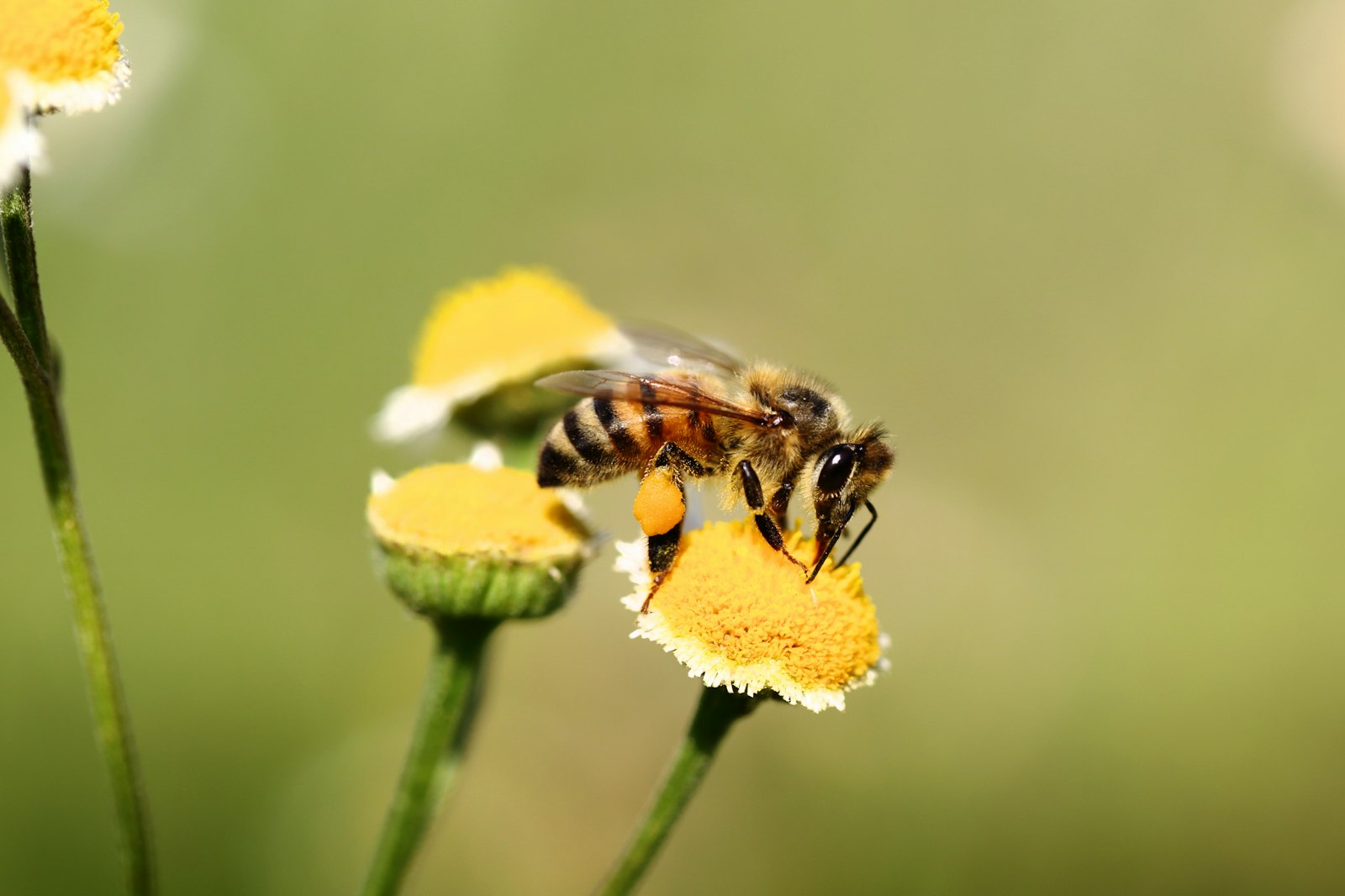
A forager bee's wings don't wear out slowly. They fray. The membrane thins, the veins develop micro-tears from thousands of miles of cumulative flight, and she keeps flying anyway - 10 to 12 trips per day, each covering two to six miles, until the wings simply fail. She lands on a flower somewhere out in the countryside. She doesn't come back.
That's six weeks. Start to finish, that's the entire life of a summer worker honey bee.
Somewhere in the same hive, the queen is going into her fourth year. She lays up to 2,000 eggs per day at peak season. She has outlived literally millions of her daughters. And she came from exactly the same genome as the forager who just died on a clover blossom two miles from the hive entrance.
The lifespan ratio between them runs to about 40 to 1. Researchers spent decades arguing about why.
Six Weeks, Then the Wings Go
A summer worker cycles through roughly six jobs in strict developmental sequence - cell cleaner, nurse bee, wax producer, guard, forager - each stage drawing down different biological reserves. The early phases are costly but survivable. Nursing larvae burns through fat stores. Secreting wax costs roughly eight pounds of honey per pound of comb produced. But the foraging phase is what actually finishes her.
The mechanical damage accumulates faster than she can repair it. A forager carries loads up to 80 percent of her own body weight in pollen and nectar. Her wing muscles run near capacity on every trip. The oxidative stress from sustained effort ages her cellular machinery in a way that has no equivalent in bees who spend their lives inside the hive, in the dark, in climate-controlled air. She flies until she can't, and then she's gone.
The colony doesn't notice. The next cohort is already emerging from capped cells to start the same sequence.
The Apiary Project tracks honey bee health data so you don't have to.
Explore the Data Hub →The Winter Bee, Which Changes Everything
Here's where it gets strange.
A bee born in late August lives five to six months. She'll carry the colony through October, November, December, January - cold months when the hive barely stirs, when bees vibrate their flight muscles to generate heat and live off stores accumulated months ago. She'll still be alive when the first dandelions open in spring.
Her sister, born in June, lived six weeks.
The mechanism is a protein called vitellogenin. In summer bees, it gets consumed quickly during nursing - burned through as a food resource for larvae. In late-season bees, it accumulates to high levels instead, suppresses the cellular aging processes that kill summer foragers, and functions as a kind of biological long-term buffer against the stresses that would otherwise kill her. Same genome. Different protein expression. The colony builds a fundamentally different type of worker in autumn because winter demands one.
The six-week figure is correct. It's just only half the answer.
Five Years, 2,000 Eggs Per Day, Then Succession
A queen honey bee typically lives two to five years, with documented cases running as high as seven. Her long life is a function of protected status: she doesn't forage, doesn't secrete wax, doesn't stand guard at the entrance. A retinue of workers feeds and grooms her continuously. Her single job is reproduction, and she performs it at a rate that would exhaust any other member of the colony.
Both queens and workers develop from fertilized eggs. The difference is royal jelly - the protein-rich secretion nurse bees produce and feed to all young larvae, but which queen-destined larvae receive exclusively and in vastly greater quantities throughout development. This triggers a completely different developmental pathway: larger body, fully functional ovaries, different hormone profile, and a lifespan measured in years rather than weeks.
What ends a queen's tenure is rarely old age. Colonies replace queens through a process called supersedure - raising a replacement while the current queen is still alive, then killing her once the new queen is mated and laying. The colony manages succession proactively. A queen whose egg-laying rate drops noticeably is often gone within weeks of the workers detecting the decline. It's not personal. It's actuarial.
The chemical signals she broadcasts - particularly queen mandibular pheromone - suppress worker reproductive instincts and hold the colony together. Remove the queen and the signal stops. Emergency queen-rearing begins within hours. The colony has roughly three weeks to raise a replacement from larvae young enough to work with before the population enters irreversible decline.
Eight Weeks, No Stinger, Expelled in October
The drone - the male bee - lives around eight weeks, which sounds comparable to a worker until you understand what those eight weeks actually contain. He doesn't forage. He doesn't defend the hive. He doesn't build comb or nurse larvae. He exists for one purpose: mating with virgin queens. For this, he makes daily congregation flights to specific airspace locations where drones from many colonies gather and wait for queens on their mating flights.
A drone that successfully mates dies immediately. The mechanics of it are fatal. The drones that don't mate return to the hive, eat honey they didn't produce, and try again the following day.
Come autumn, the colony's accounting changes. Winter stores need to last until April. Drones are large bees who consume resources without contributing to winter survival, and the colony has no further use for them until spring. Workers begin expelling them from the entrance. Drones have no stinger and no means of resistance. They're pushed out and denied re-entry. Outside, without the colony's warmth and food, they die within days.
It is, as systems go, very tidy.
One Genome, Four Lifespans
The gap between a summer worker and a queen runs to roughly 40 to 1. Between a winter worker and a summer worker, about 5 to 1. Between a drone and a queen, somewhere around 20 to 1. All from the same genome, expressed differently based on developmental diet, season, and role.
Researchers studying the molecular basis of these differences have identified several interacting pathways - insulin/IGF-1 signaling, juvenile hormone levels, vitellogenin status - that shift in different directions across castes to produce radically different lifespans from near-identical genetic material. The colony is running multiple lifespan programs simultaneously, each calibrated to what that caste actually contributes.
The colony loss data tracked annually by USDA and the Bee Informed Partnership captures what happens when these lifespan dynamics break down - when winter bee production fails, when queen succession misfires, when the coordinated population management of the colony gets disrupted by varroa, disease, or a winter that outruns the stores. The Apiary Project tracks these patterns as part of monitoring the broader state of US colony health.
The answer to "how long do bees live" depends entirely on which bee you're asking about.