How Much Honey Does One Bee Make in a Lifetime?
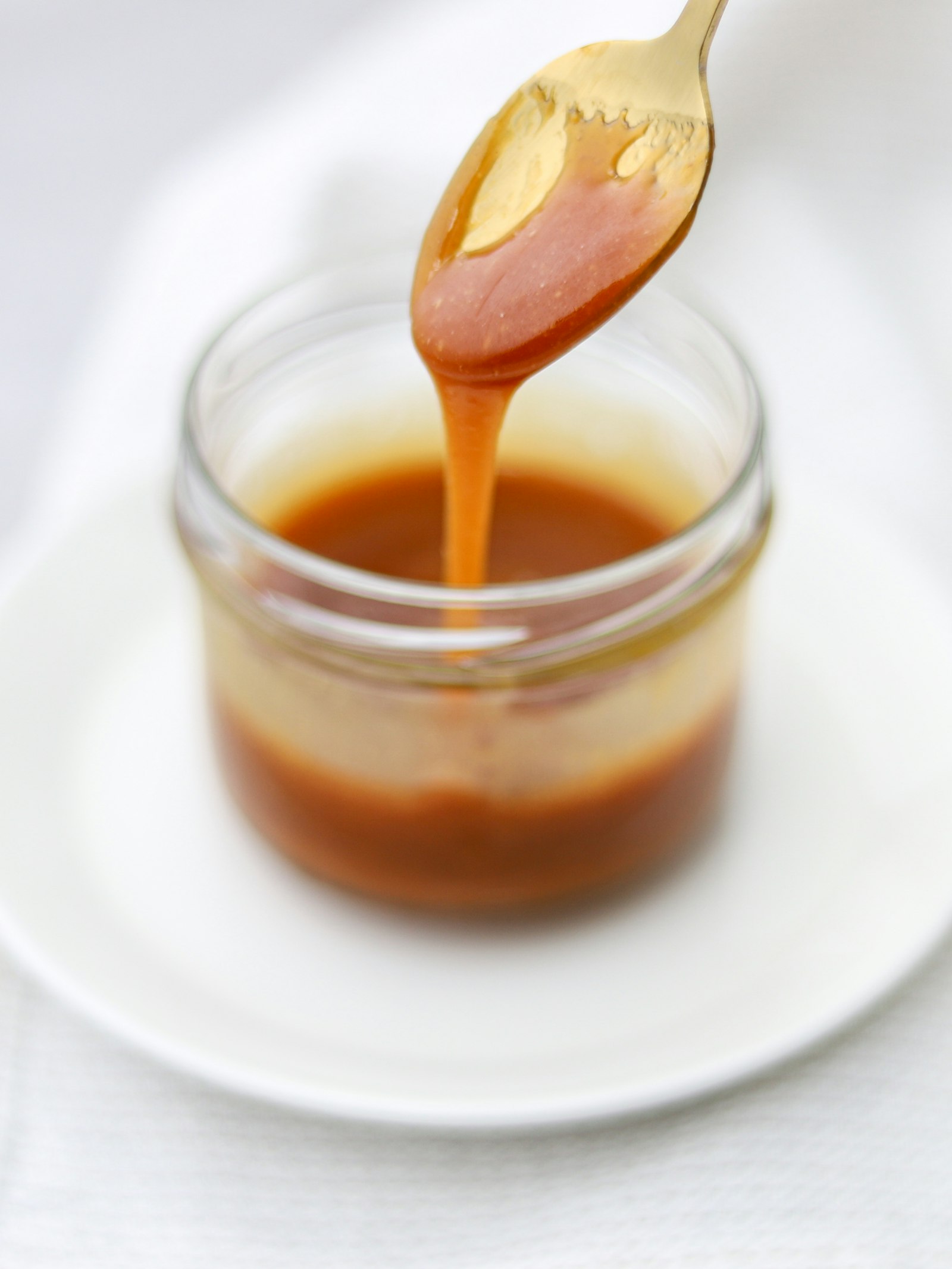
One-twelfth of a teaspoon. That's a honey bee's lifetime output of honey. Her complete career: three weeks as a larva, three weeks of in-hive work, then two weeks of foraging until her wings fray beyond use. Everything she ever produces in her life as a forager amounts to one-twelfth of a teaspoon of honey.
A standard 12-ounce jar contains roughly 800 of those lifetimes.
The number is cited so often it's become a sort of parlor fact - the kind of thing people say to make a point about effort and scale. But the arithmetic is more interesting than the punchline. Because one bee producing 1/12 of a teaspoon isn't the whole picture. It's the starting point for understanding how a colony of 50,000 manages to produce 60 pounds of honey in a season.
What the Math Actually Says
A single teaspoon of honey weighs about 7 grams. One-twelfth of a teaspoon is therefore about 0.6 grams - roughly the weight of a quarter sheet of paper.
A pound of honey is about 453 grams. Divide by 0.6 and you get roughly 755 bee lifetimes per pound. A 60-pound honey surplus - what a productive colony might yield in a strong year - required approximately 45,000 bee lifetimes of foraging effort. Given that a colony maintains roughly 20,000 to 25,000 foragers at peak season, that 60-pound crop represents two to three full forager generations working simultaneously all season.
These numbers are approximations. The 1/12 teaspoon figure assumes a forager making roughly 10 trips per day over a 15-day foraging career, visiting 50 to 100 flowers per trip, filling her 40-milligram honey crop about 60 percent on average. Different foraging conditions produce different yields. A forager working a dense clover field in peak bloom does better than one searching during a summer dearth. The 1/12 teaspoon is the average across conditions.
The Apiary Project tracks honey bee health data so you don't have to.
Explore the Data Hub →The Individual Economics
Each foraging trip takes 30 to 60 minutes. The forager visits 50 to 100 flowers, extending her proboscis at each one, filling her honey crop - a storage sac in her abdomen - with raw nectar. A full crop holds about 40 milligrams of nectar. She returns to the hive, passes the nectar to a house bee through mouth-to-mouth regurgitation, and leaves again.
The nectar-to-honey conversion reduces volume by roughly 80 percent. Raw nectar is mostly water - 60 to 80 percent moisture content. Finished honey is 17 to 20 percent moisture. Getting nectar to honey requires house bees to fan the cells constantly, evaporating water until the concentration is right for long-term storage. The forager's 40 milligrams of nectar becomes roughly 8 milligrams of honey after processing.
Ten trips per day at 8 milligrams of honey per trip yields 80 milligrams daily. Over a 15-day foraging career: 1,200 milligrams, or about 1.2 grams of honey. Slightly more than the 0.6 grams implied by 1/12 teaspoon - the discrepancy depending on which set of assumptions you use.
The exact number is less important than the order of magnitude: a single bee's lifetime honey contribution is measured in fractions of a gram.
The Colony Makes It Work
The colony solves the scale problem through parallelism. Fifty thousand workers, each individually producing almost nothing, collectively produce 60 pounds because they're all working simultaneously and communicating constantly about where the best sources are.
The waggle dance is the mechanism. A forager who finds an exceptional patch of clover returns to the hive and dances - encoding the direction and distance to the source in the angle and duration of her waggle run. Recruits follow the dance, fly to the same patch, and return to dance if the source is still productive. Within hours, hundreds of foragers can be directed to a single high-value source.
This is what makes the arithmetic work. No individual bee is efficient enough, at 1/12 of a teaspoon per lifetime, to make honey production viable. But 20,000 foragers directed by real-time information to the best available sources, collectively, can. The colony doesn't make honey. Individual bees do. The colony just figures out where to send them.
The Energy Cost
Foraging isn't free. A bee burns roughly 2 milligrams of honey per kilometer of flight. A round trip to a flower source 1 kilometer away burns about 4 milligrams - roughly half the value of the nectar she might carry back from that trip. At 3 kilometers, the energy cost of the trip is approaching the energy value of the cargo, and the net return for the colony is falling toward zero.
This is why foraging range matters economically. A hive placed in the middle of a rich flowering area collects more net honey than the same hive placed at the edge of its effective range. The bees can't make more honey per trip; they can spend less energy getting to the source and back.
A forager bee's lifespan is measured in miles flown, not days lived. The wings fray mechanically from the accumulated stress of hundreds of flights at 230 wingbeats per second. A bee that foraged longer distances daily - burning more fuel, wearing out faster - produces less net honey per unit of wing wear than one working a nearby source. The 1/12 teaspoon average is the result of that trade-off, played out across 15 days and 150 trips.
The Jar
A pound of clover honey on a grocery store shelf contains roughly 800 bee-lifetimes of work. An 8-ounce jar of artisan wildflower honey: about 400. The 5-pound bucket of bargain honey: 4,000 bee lifetimes of foraging, not counting the house bees who fanned the cells, the nurse bees who fed the larvae, the guard bees who defended the entrance, the undertakers who dragged out the dead.
Those bees don't show up in the 1/12 teaspoon figure. That's forager output only. The actual colony labor embedded in a jar of honey includes every worker who contributed to the colony that produced it - which is to say, the labor of tens of thousands of bees who never touched a flower.
One-twelfth of a teaspoon is the forager's contribution. The jar is the colony's.