Robbing Behavior (How Fast a Strong Colony Can Strip a Weak One)
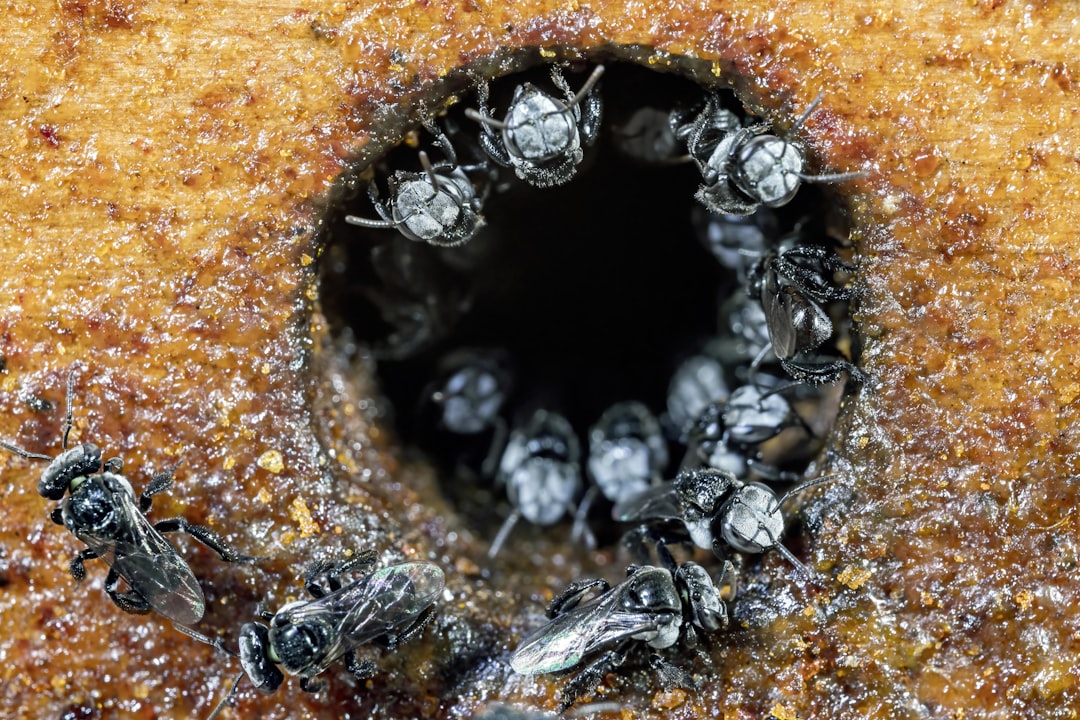
A robbing frenzy can strip a weaker colony of its entire winter stores in a matter of hours. The colony doesn't necessarily die immediately - it survives the raid and then starves quietly in October, when the beekeeper assumes everything is fine because there were bees in August.
This delayed consequence is what makes robbing damage easy to misattribute. By October, the colony is weak and declining for no apparent reason. The beekeeper thinks it was Varroa, or a failing queen, or bad luck. The answer is usually July.
The nectar flow ends - usually around mid-July in most of the US, though timing varies by region - and forager activity at the hive entrance drops noticeably. Bees that were launching and returning every few seconds now loiter. The surplus economy that sustained months of expansion contracts into something more defensive. And occasionally, it tips into something more aggressive.
The Economics Behind Robbing
Bees don't rob out of malice or territorial instinct. They rob because foraging is expensive and stealing is sometimes cheaper. A forager flying 3 km to find nectar-poor flowers during dearth is spending energy for minimal return. A neighboring hive full of capped honey is, from a bee's perspective, a very concentrated food source that happens to be guarded.
Scout bees investigate everything, including the entrances of other colonies. During a strong nectar flow, when a returning forager's honey stomach full of nectar represents high-value information, scouts have plenty of productive options. During dearth, the calculus shifts. Any concentrated sugar source - a weak hive's entrance, an open jar of honey, a beekeeper's uncovered equipment - becomes worth investigating more aggressively.
The colony doesn't make a collective decision to rob. Individual scouts find a weak or undefended entrance, exploit it, and return to the hive performing a waggle dance that recruits more foragers to the same source. The recruitment cascade can turn a few opportunistic scouts into hundreds of raiders within an hour.
The Apiary Project tracks every major threat to US honey bee colonies.
Explore the Issues Hub →What Makes a Colony Vulnerable
Not every hive gets robbed. Robbing pressure concentrates on specific targets, and the characteristics of those targets are fairly consistent.
Population imbalance is the primary factor. A colony with 50,000 bees maintains a guard force proportional to that population - the entrance will have dozens of guards inspecting incoming bees, and the colony can mount a rapid defensive response to any intrusion. A colony that has dwindled to 10,000 bees guards the same entrance with a fraction of the workforce. The defensive perimeter doesn't scale down as fast as the colony does.
This is why newly installed package bees are particularly vulnerable. A package starts with 3 pounds of bees - roughly 10,000 individuals - attempting to defend a full-sized hive entrance. Experienced beekeepers reduce the entrance to a few centimeters when installing packages, especially if established hives are nearby.
Queenless colonies are also frequent targets. The loss of a queen triggers a measurable behavioral shift - worker bees become less coordinated in their defensive responses, and the colony's coherence as a defensive unit degrades. A queenless colony that's been struggling for a few weeks may not mount the guard response it otherwise would.
Disease weakens defense too. Colonies dealing with heavy Varroa loads or brood diseases produce workers with compromised physiology. A bee with deformed wing virus doesn't fly normally, which affects both foraging and defense.
What Robbing Looks Like
There's a visual signature that distinguishes normal flight from a robbing event, and it's worth knowing because the window to intervene narrows fast.
Normal hive entrance activity is directional: bees land, bees launch, the flow is orderly. During robbing, the entrance becomes chaotic. Bees fight - wrestling pairs tumbling on the landing board, bees rolling in the grass. The attacking bees move differently than returning foragers: they circle the entrance repeatedly rather than landing directly, probing for weak points, darting in and retreating. The smell changes too; alarm pheromone - which smells unmistakably of banana - spikes as the defending guards signal distress.
Inside a hive being robbed, the bees become extraordinarily defensive toward anything that approaches, including the beekeeper. This is often the first sign people notice: a hive that was docile in spring has become hair-trigger aggressive in August. The colony isn't changing temperament - it's been under assault.
A full robbing frenzy can strip a weaker colony of its winter stores in a matter of hours. The colony doesn't necessarily die immediately; it survives the raid and then starves in October when the beekeeper assumes stores are adequate. This delayed consequence makes robbing damage easy to misattribute to other causes.
The Beekeeper's Role in Triggering Robbing
Robbing is a natural behavior, but beekeepers accelerate it regularly through specific practices that concentrate sugar in the open air.
Extracting honey outdoors is the classic example. The smell of fresh honey draws bees from an enormous distance - some studies suggest foragers can detect dilute sugar solutions from over a kilometer in favorable wind conditions. Running an extractor outside, leaving uncapped frames in the open, or rinsing extraction equipment in the yard during dearth can trigger robbing frenzies that sweep through an entire apiary.
Feeding sugar syrup with the entrance reducer removed, or in open feeders, produces the same effect. The syrup smell broadcasts a recruitment signal to every colony within foraging range. Top feeders and internal feeders reduce this problem substantially compared to open entrance feeders during dearth periods.
Extended hive inspections during dearth are also risky. Every minute a hive is open, honey smell escapes into the air. A robbing scout that finds an exposed comb during an inspection will mark that colony as a target, and even after the hive is closed, the scouts continue probing the entrance. Most experienced beekeepers keep late-summer inspections short and work in the early morning when robbing pressure is lower.
Stopping It Once It Starts
Reducing the entrance is the first response - a small entrance is much easier for even a weakened guard force to defend. Temporarily closing the hive entirely with a wet towel or cloth draped over the entrance for an hour breaks the scouts' recruitment cycle, though this only works for short periods before the colony overheats.
Requeening a failing colony before dearth - rather than attempting to nurse it through a queenless period while surrounded by strong colonies - avoids the vulnerability window entirely. A colony with a mated, laying queen maintains its defensive coherence even when population is lower than ideal.
Combining a weak colony with a stronger one, using the newspaper combine method, eliminates the vulnerable unit rather than leaving it as a target. This is the blunt solution, but it prevents the robbed colony from starving and protects the surrounding apiary from the escalating chaos that follows a sustained robbing event.
The trigger - dearth - is predictable. Every apiary in every climate zone goes through it. The beekeeper who's tracking colony populations through summer and knows which hives are strong versus marginal is rarely surprised by robbing. The one who last inspected in June often is.