Discover 13 posts about colony health

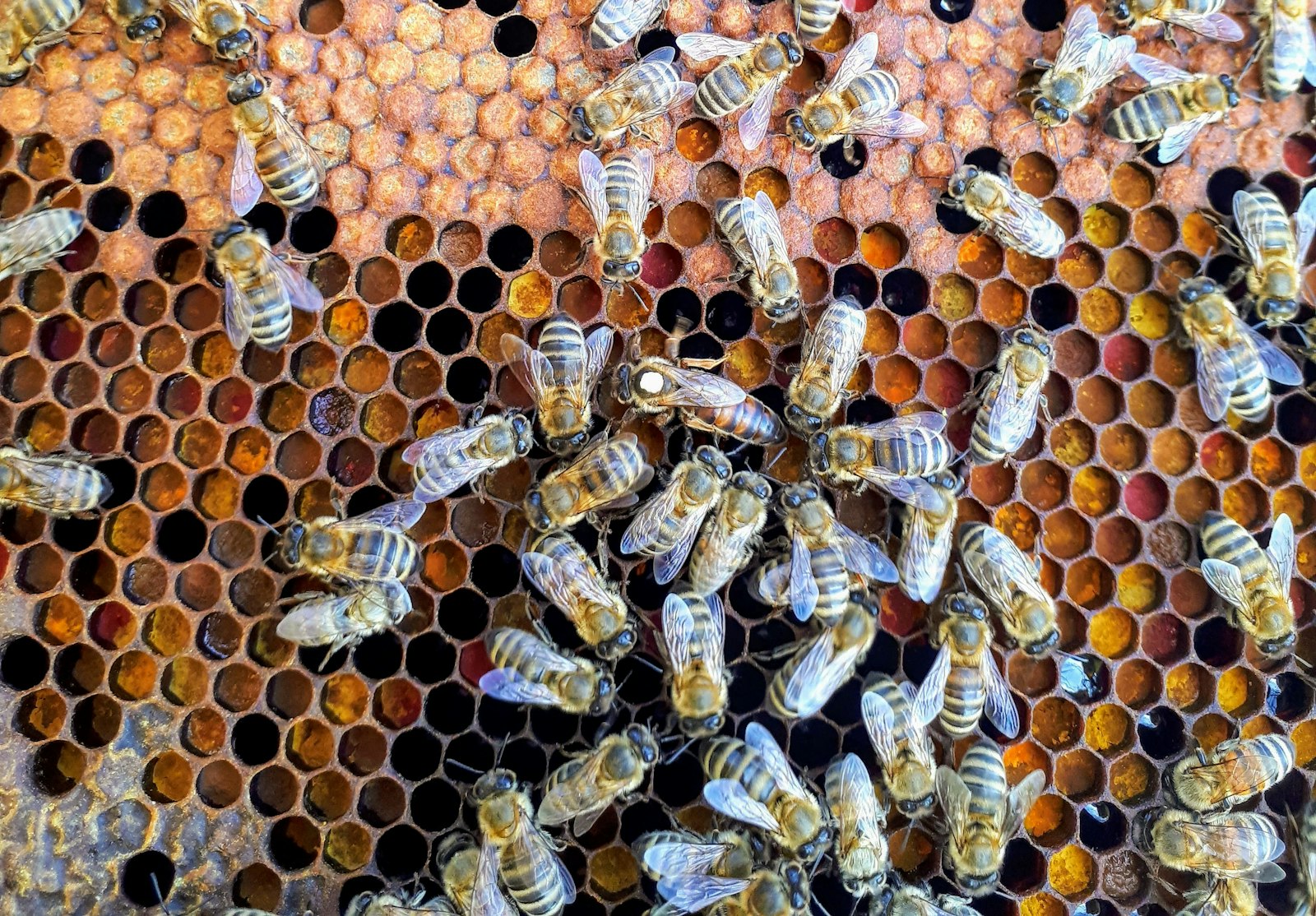
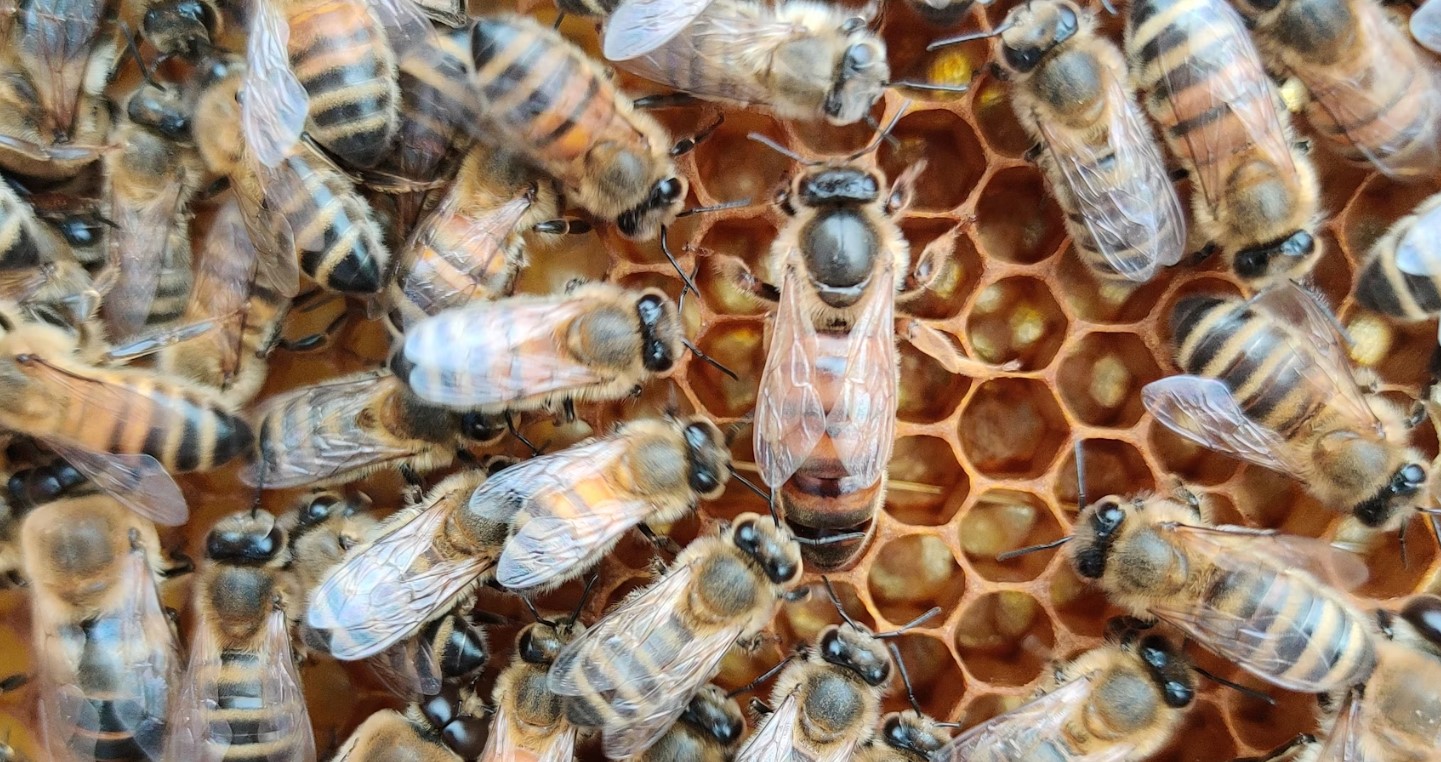
The queen produces 500 micrograms of pheromone daily that suppresses 50,000 workers' reproduction. The alarm pheromone is chemically identical to banana oil.
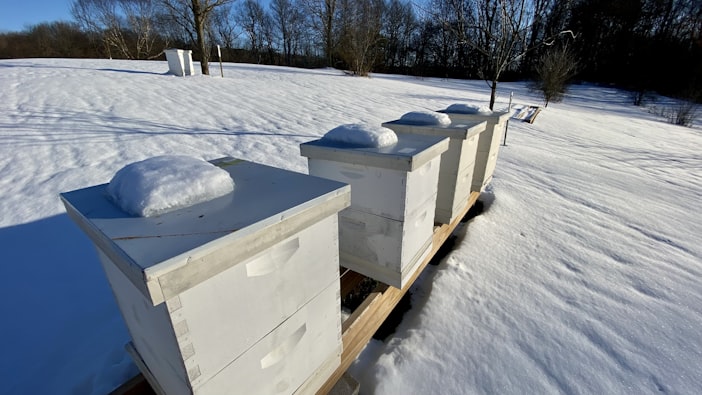
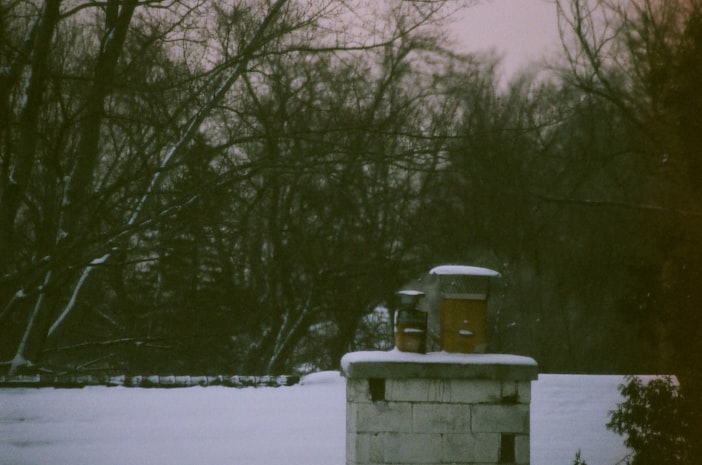
Commercial operations are putting bees in refrigerated warehouses at 40F for winter. Survival rates beat outdoor wintering. The bees don't seem to mind.
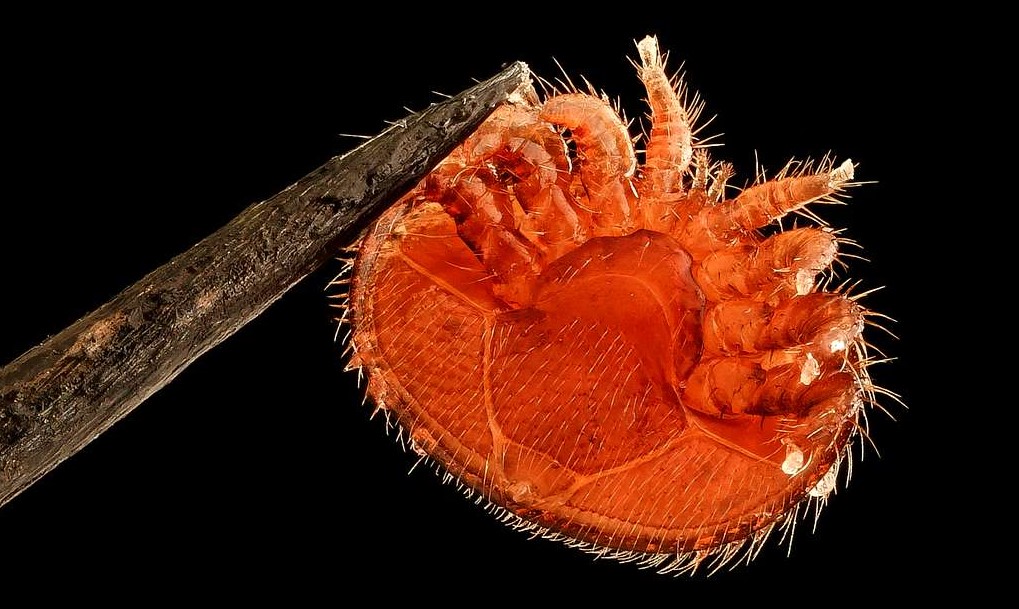
The USDA has bred for Varroa resistance since 1997. VSH bees, Russian bees, Pol-line stock - the genetics work. Scaling them to the industry is the bottleneck.
Nosema ceranae replaced N. apis as the dominant gut parasite in US hives. Fumagillin, the standard treatment, was pulled in the EU. The US still uses it.
AFB spores survive 70+ years. There's no cure for infected comb. Most states require burning. It's the only bee disease that makes gear worthless overnight.
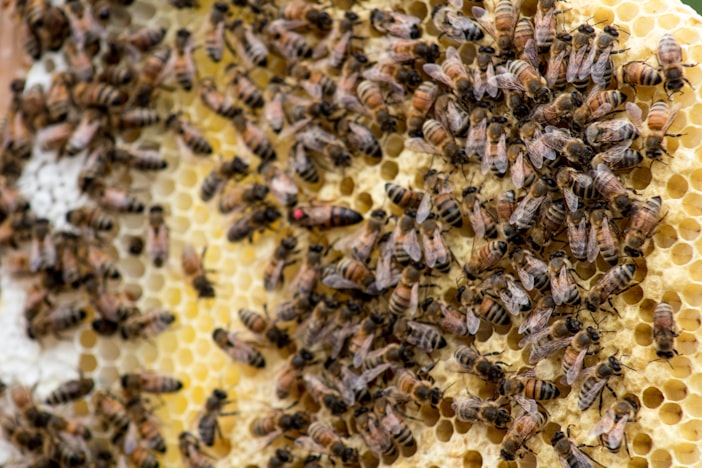
Bees don't hibernate. They cluster and vibrate flight muscles to generate heat. The core stays at 93F. The outer shell drops to 46F. They rotate all winter.
Bees collect plant resins and mix them into propolis - a substance with antimicrobial properties lining every hive surface. Their immune system, externalized.
A drone's only job is to mate with a queen. He gets one shot - the act is fatal. By August, the workers drag surviving drones out of the hive to die.
Smoke doesn't calm bees. It triggers a gorging response - they fill their honey stomachs preparing to evacuate. A full bee is less aggressive. That's the trick.
Oxalic acid kills 90-95% of phoretic mites in a single broodless application. It's cheap, organic-approved, and has become the winter treatment of choice.
No eggs, no larvae, no way to make a new queen until spring. A winter queenless colony is a dead colony walking. Most beekeepers won't know until March.
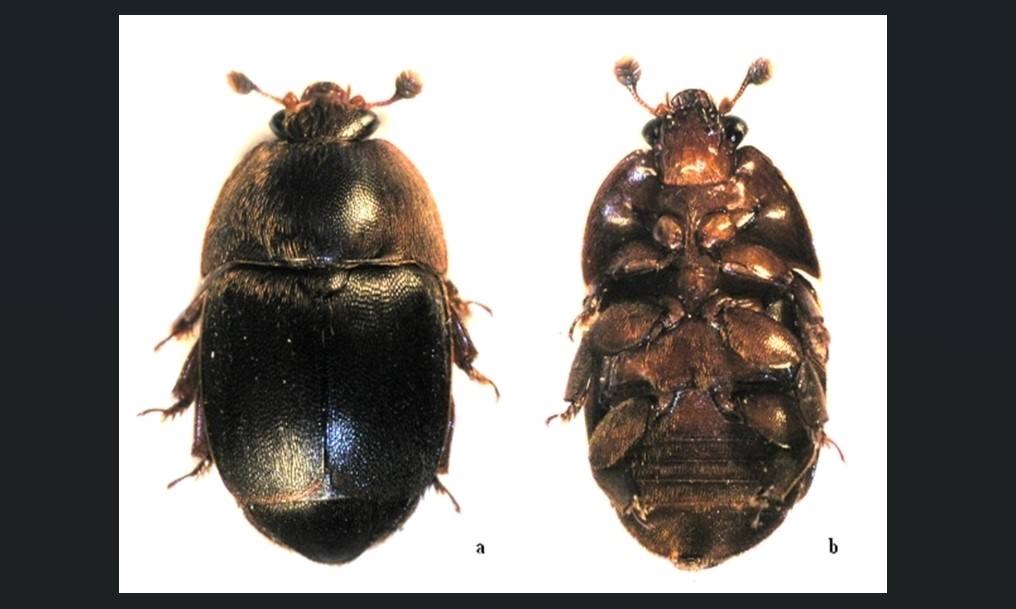
From oil traps to Beetle Blasters to Freeman traps. The small hive beetle arrived in 1998 and beekeepers have been improvising containment ever since.
Commercial operations lose 10-15% more colonies annually than hobbyists. Migratory stress, higher mite loads, and monoculture exposure explain most of the gap.