Discover 8 posts about bee products
Archaeologists found 3,300-year-old honey in Tutankhamun's tomb. It was still edible. The science behind why is more interesting than the headline.
Honey is the distilled essence of wherever the bees were foraging. Clover, buckwheat, tupelo, manuka - here's what actually separates them.
Chemical residue on 9,000-year-old pottery in China. Viking sagas. Ethiopian tej. Then nothing for 300 years. Now 700+ US meaderies and a $600M market.
Millions of Americans throw away crystallized honey every year thinking it's gone bad. It hasn't. Honey found in Egyptian tombs was still edible after 3,300 years. Here's what crystallization actually is - and which honeys resist it longest.
Melittin destroys cell membranes. Apamin blocks potassium channels. The venom causing anaphylaxis is being tested against cancer, arthritis, and Parkinson's.
A substance so unstable it degrades in 4 hours at room temperature. China produces 90% of supply. Europe rejected the health claims. Market hit $1.67B anyway.
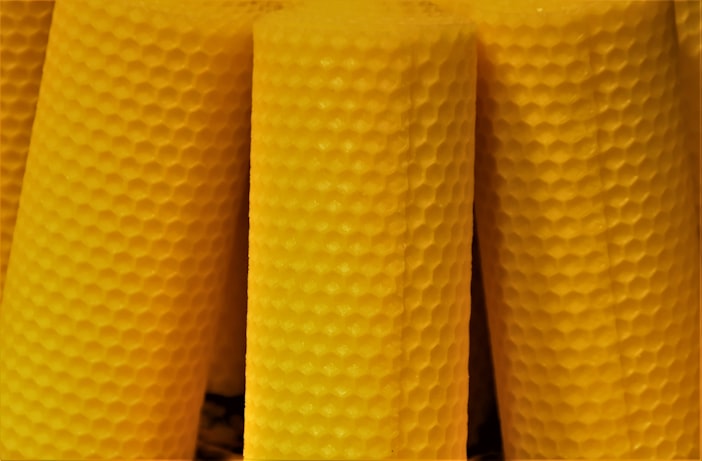
Bees consume 6-8 pounds of honey to produce one pound of wax. That metabolic cost makes beeswax one of the most expensive biological building materials.
Bees collect plant resins and mix them into propolis - a substance with antimicrobial properties lining every hive surface. Their immune system, externalized.